 by
by Legal professionals across the United States have raised growing concerns about the misuse of general affidavits in recent times. Once considered a simple and flexible legal tool, general affidavits are now increasingly being used incorrectly, or even deliberately misused in ways that can lead to serious legal consequences.
Courts and legal experts emphasize that affidavits are not casual declarations, whether in property disputes or financial misrepresentations. They are sworn statements made under oath, and any misuse can constitute perjury, fraud, or legal misconduct. Let’s know why experts are sounding the alarm, the most common forms of misuse, and what individuals need to understand before relying on a general affidavit.
What Is a General Affidavit?

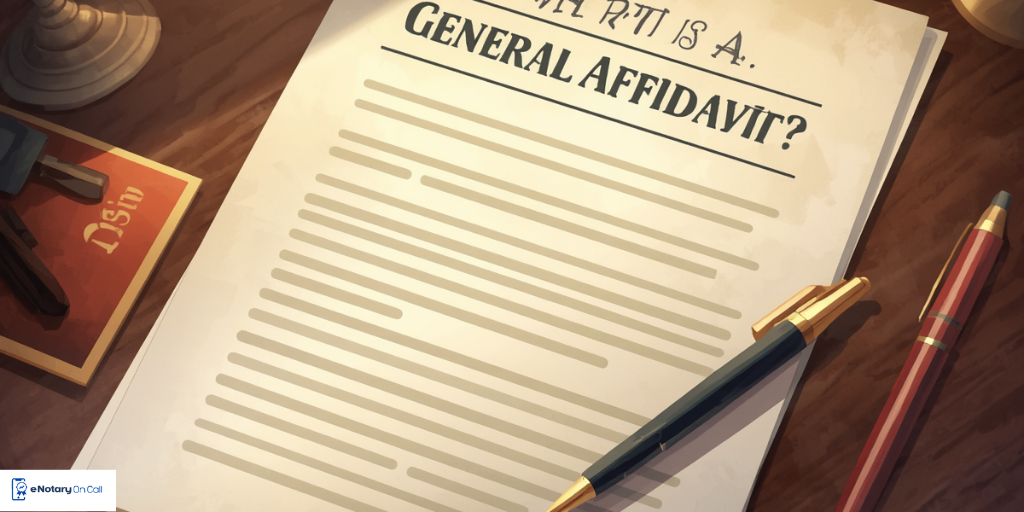
A general affidavit is a written statement of facts that a person swears to be true. It is commonly used when no specific affidavit format exists, making it a flexible legal document for various purposes. It may be used for –
- Declaring identity or residency
- Confirming facts in legal matters
- Supporting applications or claims
- Clarifying discrepancies in documents
Key Insight: The flexibility of a general affidavit is both its strength and its weakness. While it allows individuals to address a wide range of situations, it also creates room for misuse when people treat it as a substitute for formal legal processes.
Why Legal Experts Are Raising Concerns?
Legal experts are increasingly warning that general affidavits are being used in situations where they should not be. Some of the key concerns include –
- Using affidavits to bypass legal procedures
- Submitting false or misleading information
- Replacing official documents with sworn statements
- Misunderstanding the legal weight of affidavits
Why It Matters: Courts rely on affidavits as truthful declarations. When they are misused, it undermines the integrity of legal processes and can lead to wrongful decisions, disputes, and even criminal charges.
Common Ways General Affidavits Are Misused
- Replacing Official Documents – Using a general affidavit instead of obtaining proper documentation is one of the most common issues. Examples include using an affidavit instead of a birth certificate, declaring ownership without title documents, or using affidavits for legal contracts.
Key Insight: An affidavit can support a claim, but it rarely replaces official records. Treating it as a substitute often leads to rejection or legal complications.
- Providing False or Incomplete Information -Some individuals knowingly or unknowingly include incorrect information in affidavits. This can involve misstating facts, omitting critical details, or exaggerating claims.
Why It Matters: False statements can result in perjury charges because affidavits are signed under oath. Even unintentional errors can lead to serious consequences if they affect legal outcomes.
- Using Affidavits to Avoid Legal Procedures – In some cases, people attempt to use affidavits to avoid formal processes such as probate proceedings, court-approved name changes, or property transfers.
Key Insight: Affidavits are not shortcuts. They are meant to complement legal processes. Attempting to bypass formal procedures can result in rejection or legal penalties.
- Overusing “General” Affidavits for Specific Situations -Another issue is using a general affidavit when a specific affidavit type is required. For example, using a general affidavit instead of an affidavit of heirship, or using it for financial declarations without a proper format.
Why It Matters: Specific affidavits exist for a reason; they meet particular legal standards. Using the wrong type can weaken your case or cause delays.
- Not Understanding the Legal Weight -Many individuals treat affidavits as informal statements. In reality, they are legally binding, subject to scrutiny, and admissible in court. Key Insight: Signing an affidavit is a legal act with real consequences, not just regular paperwork.
Increased Scrutiny by Courts and Institutions
Courts and institutions are now taking a stricter approach toward affidavits. They are –
- Verifying supporting documents more closely
- Rejecting incomplete or vague affidavits
- Questioning unsupported claims
- Holding individuals accountable for false statements
Why It Matters: This increased scrutiny means that poorly prepared affidavits are more likely to be rejected and may even trigger legal action.
Role of Notarization in Preventing Misuse
Notarization plays a critical role in the affidavit process. A notary verifies the identity of the signer, confirms the signature is voluntary, and applies an official seal. However, a notary does not verify the truth of the content.
Key Insight: Many people mistakenly believe notarization guarantees accuracy. In reality, it only verifies identity, not the truth of the statements. Responsibility for accuracy remains with the signer. Services like eNotary On Call make notarization more accessible, but they do not eliminate the need for careful and honest preparation.
Consequences of Misusing General Affidavits

- Legal Rejection – Authorities may reject the affidavit entirely, delaying processes.
- Civil Liability – Incorrect statements can lead to disputes, lawsuits, or financial penalties.
- Criminal Charges – False declarations under oath may result in perjury or fraud charges.
- Long-Term Legal Complications – Errors in affidavits can affect property ownership, inheritance claims, and contract validity.
Why It Matters: The consequences are not always immediate. Problems may arise years later when documents are reviewed during transactions or legal proceedings.
How to Use General Affidavits Correctly?
- Use Affidavits as Supporting Documents – Do not rely on affidavits as primary proof when official records are required.
- Provide Accurate and Complete Information – Double-check all details before signing.
- Choose the Right Type of Affidavit – Use specific affidavit formats when available.
- Include Supporting Evidence – Attach documents that support your statements.
- Seek Legal Advice When Needed – Professional guidance can prevent mistakes for complex situations.
Pro Tip: If you’re unsure whether an affidavit is appropriate, ask: Am I trying to prove something that requires official documentation? If yes, an affidavit alone may not be enough.
Growing Importance in Digital and Online Notarization
General affidavits are easier to create and notarize with the rise of digital documentation. However, this convenience also increases the risk of misuse. Faster access to notarization should not lead to rushed or careless preparation. Accuracy and understanding remain essential, regardless of how the document is notarized.
Key Takeaways: Legal experts are increasingly warning about the misuse of general affidavits. They emphasize that affidavits are not substitutes for formal legal processes or official documents. General affidavits are flexible and useful, but they must be used carefully and in the appropriate context. Misuse can lead to rejection or even criminal charges. Understanding their proper role and limitations is essential to avoid serious consequences.

Conclusion
The mounting warnings from legal experts highlight an important reality that general affidavits are powerful tools, but only when used correctly. Misusing them can lead to serious legal consequences and long-term complications.
Individuals can use affidavits responsibly and effectively without putting themselves at risk by understanding their limitations and following best practices.
Frequently Asked Questions
1. What is a general affidavit used for?
A general affidavit is used to declare facts when no specific affidavit format exists. It can support applications, clarify discrepancies, or confirm personal information. However, it is usually not a replacement for official documents.
2. Can a general affidavit replace legal documents?
No, in most cases, it cannot replace official legal documents such as birth certificates or property titles. It can support a claim but is not considered primary proof. Authorities may require additional documentation.
3. Is it illegal to provide false information in an affidavit?
Yes, providing false information in an affidavit can result in serious legal consequences, including perjury charges. Accuracy is critical, since the document is signed under oath. Even unintentional errors can create legal problems.
4. Does notarization make an affidavit valid?
Notarization confirms the identity of the signer and the authenticity of the signature. However, it does not verify the truth of the information in the affidavit. The responsibility for accuracy lies with the person signing it.
5. How can I avoid misusing a general affidavit?
You can avoid misuse by understanding its purpose, providing accurate information, and using it only when appropriate. It is also helpful to include supporting documents and seek legal advice for complex situations.

Anjali is a Senior Content Writer at eNotary On Call, specializing in online notarization, legal documentation, and compliance, helping readers navigate important processes with ease and confidence. Outside of work, Anjali enjoys traveling, cooking, and reading.