

 by
by A Travel Consent Form for a Child is often required when a minor is traveling without one or both parents. Airlines, border officers, cruise lines, and immigration authorities may request proof that the child has permission to travel. It is frequently required to be notarized because it helps protect against child abduction and custody disputes.
If you are looking to prepare a travel consent form in the near future, understanding how to properly draft and notarize it can prevent delays, denied boarding, or travel disruptions. Let’s go through this process step by step.
What Is a Travel Consent Form for a Child?

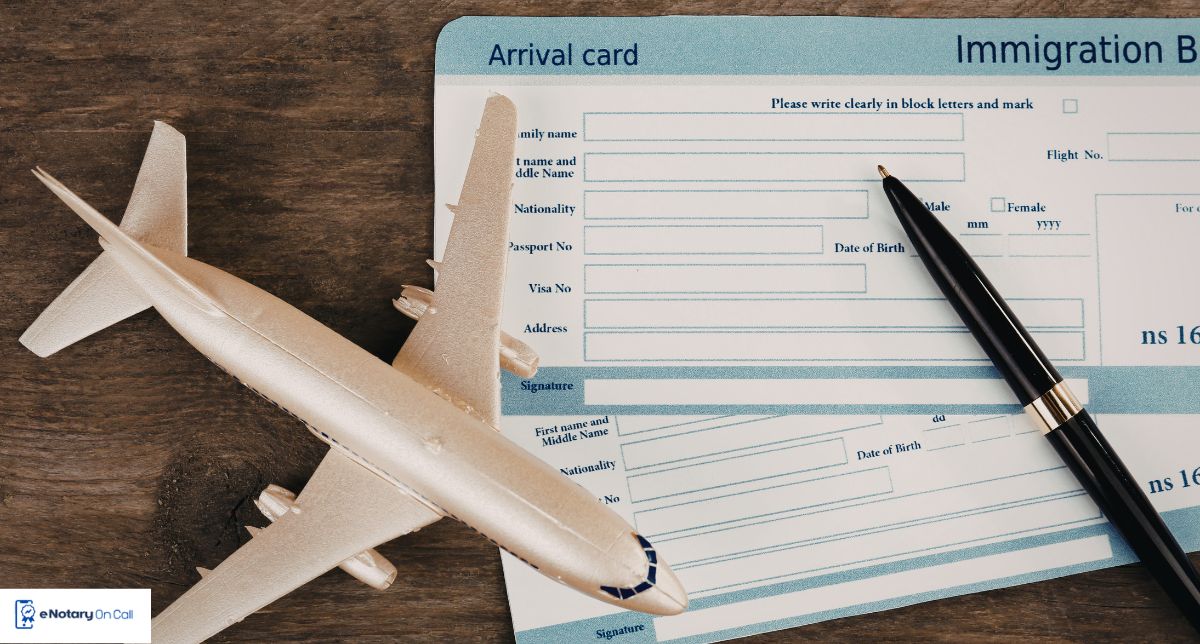
A Travel Consent Form for a Child is a written authorization signed by one or both parents (or legal guardians) granting permission for a minor to travel. It is commonly used when-
- A child travels with only one parent
- A child travels with grandparents
- A child travels with school groups
- A minor traveling internationally
- Divorced or separated parents share custody
The form confirms that the absent parent or guardian consents to the travel arrangements.
Is Notarization Required?
Not all domestic trips require notarization, but many international travel situations do. Airlines and border authorities often require a notarized consent form, a copy of the non-traveling parent’s ID, and proof of custody (if applicable).
Notarization adds credibility and reduces the risk of questioning at checkpoints, even if not strictly required by law.
Key Insight: Notarization does not create parental rights; it verifies identity and confirms that consent was given voluntarily. This added verification reduces the risk of child abduction or custody violations.
When Is a Travel Consent Form Especially Important?
You should strongly consider notarizing a Travel Consent Form for a Child when:
- The parents are divorced or separated
- The child has a different last name from the traveling parent
- The child is traveling internationally
- There are prior custody disputes
- The trip involves multiple countries
Without proper documentation, border authorities may detain or question travelers.
Why It Matters: International child abduction prevention laws are taken seriously. Travel may be delayed, denied, or investigated without clear written consent.
Step 1: Draft the Travel Consent Form Properly
A complete Travel Consent Form for a Child should include the child’s full legal name & date of birth, passport number (if applicable), travel dates, destinations, name of the accompanying adult, contact information of non-traveling parent(s), emergency contact details, and signature of consenting parent(s).
Clarity is critical, and always avoid vague language such as “general permission to travel.”
Step 2: Attach Supporting Documentation
Authorities may request a copy of the non-traveling parent’s photo ID, child’s birth certificate, custody agreement (if applicable), and divorce decree (if relevant). Having these documents prepared reduces questioning at borders.
Step 3: Do Not Sign Before Notarization
This is a very common mistake that people make. The Travel Consent Form must be signed in the presence of a notary. The notary must witness the signature and verify identity. The notary may refuse to proceed if you sign beforehand.
Pro Tip: Bring government-issued ID that matches the name on the consent form. Expired or mismatched identification can cause delays.
Step 4: Complete Notarization
The notary will verify identity, confirm voluntary consent, witness the signature, and apply the official seal and certificate. You may complete the notarization in person before a local notary or via remote online notarization (if permitted in your state).
Platforms such as eNotary On Call allow you to connect with a commissioned notary through secure live video if your state allows remote online notarization. This can be especially helpful when parents are in different locations.
Can a Travel Consent Form Be Notarized Online?

Yes, states that allow Remote Online Notarization (RON), provided that the notary complies with state law, identity verification is properly completed, and the document is signed during the live session.
However, confirm that the airline or destination country accepts electronically notarized documents before choosing online notarization.
Key Insight: Remote notarization is legally valid in many states, but international acceptance depends on destination country policies. Always verify before traveling.
What If One Parent Refuses Consent?
If custody is shared and one parent refuses consent –
- You may need a court order
- The custody agreement may control
- International travel may require judicial authorization
Notarization cannot override custody rights.
What If the Other Parent is Unavailable?
If the non-traveling parent is deceased, incarcerated, missing, or has sole custody granted to the traveling parent, you may need a death certificate, court order, or sole custody documentation. If you’re unsure, consult a legal expert.
Common Mistakes That Cause Travel Delays
- Missing notarization
- Incomplete travel details
- No copy of ID attached
- Using outdated custody information
- Illegible signatures
- Signing before notarization
Each error can trigger additional questioning.
How Long Is a Travel Consent Form Valid?
The validity depends on how it is drafted. Some parents draft consent for a single trip, others for a specific date range, and some do it for multiple trips within a year. Clear date limitations reduce the risk of misuse.
Should Both Parents Sign?
Both parents’ signatures are often recommended for international travel, even if only one is traveling with the child. Include both when in doubt.
Key takeaways: A Travel Consent Form for a Child provides written authorization allowing a minor to travel with someone other than both parents. Notarization adds credibility and reduces the risk of travel delays, although it is not always legally required for domestic trips. The document must include clear travel details, parental identification, and properly executed signatures in the presence of a notary. Remote notarization via compliant services such as eNotary On Call may be available depending on state law, but acceptance by airlines or foreign authorities should be confirmed beforehand. Proper preparation protects both the child and the traveling adult.

Conclusion
Traveling with a minor requires preparation, especially when one parent is absent. A properly drafted and notarized Travel Consent Form for a Child provides clear authorization and reduces the risk of travel disruption.
The key is accuracy, clarity, and legal compliance, whether notarized in person or through a compliant service like eNotary On Call. Taking the time to prepare the document correctly ensures smooth travel and protects everyone involved. Documentation matters more than convenience when it comes to children and international travel.
Frequently Asked Questions
1. Does a Travel Consent Form for a Child have to be notarized?
Notarization is not always legally required for domestic travel, but it is strongly recommended, especially for international travel. Many airlines and border authorities require notarization to verify authenticity and prevent child abduction concerns.
2. Can I notarize a Travel Consent Form Online?
If your state permits remote notarization, you may complete the process online. However, you should confirm that the airline and destination country accept electronically notarized documents before relying on this option.
4. What documents should I attach to the consent form?
You should attach a copy of the non-traveling parent’s government-issued ID. In some cases, custody agreements or a child’s birth certificate may also be requested.
5. What if my child has a different last name than I?
Border authorities may request additional proof of relationships, such as a birth certificate. Having notarized consent helps reduce scrutiny in such cases.
6. Can grandparents use a Travel Consent Form for a Child?
Yes. If a child is traveling with grandparents or another adult, a properly notarized consent form signed by the parent(s) should accompany the child to prevent travel complications.
Helpful eNotary On Call Resources
Need a faster way to complete your notarization? Visit the eNotary On Call homepage to learn how online notarization works, review options for government notarization needs, or explore real estate notarization services. When you are ready, you can create an eNotary On Call account and connect with a commissioned online notary.