 by
by Heirs often face the challenge of legally claiming or transferring the vehicle when the owner passes away without having transferred ownership before death. One of the most common solutions is completing an Affidavit of Heirship for a Motor Vehicle in many states. This document allows heirs to legally declare their right to inherit a vehicle without going through a lengthy probate process.
When the estate is small or when the deceased did not leave a formal will that specifically addresses the vehicle, the Affidavit of Heirship for a Motor Vehicle is used. Heirs can often transfer the vehicle title into their own name by submitting this affidavit along with supporting documentation.
What Is an Affidavit of Heirship for a Motor Vehicle?


An Affidavit of Heirship for a Motor Vehicle is a sworn legal statement that identifies the heirs of a deceased vehicle owner and confirms who is entitled to inherit the vehicle. The affidavit typically includes information such as –
- The deceased owner’s full name and date of death
- Details about the vehicle (make, model, year, VIN)
- The names and relationships of the heirs
- Confirmation that the vehicle is part of the estate
- Statements affirming that the information provided is accurate
The affidavit may be submitted to the appropriate state agency, once completed and notarized, usually the Department of Motor Vehicles (DMV), to transfer ownership.
Key Insight: The affidavit does not automatically transfer ownership. Instead, it provides legal documentation that allows the DMV or motor vehicle agency to process the title transfer to the rightful heir.
When Is an Affidavit of Heirship for a Motor Vehicle Used?
This affidavit is commonly used when the deceased owner did not transfer the vehicle title before passing away and when probate is unnecessary or impractical. Situations where it may be used include –
- The deceased owner did not leave a will
- The estate is small and does not require formal probate
- The vehicle is the primary asset of the estate
- The heirs agree on who should inherit the vehicle
Many states provide specific affidavit forms designed for vehicle ownership transfers.
Why It Matters: The DMV may refuse to transfer the vehicle title, leaving heirs unable to sell, register, or insure the vehicle without proper documentation such as an affidavit of heirship.
Information Required in the Affidavit
Accurate and complete information is required about both the deceased owner and the heirs when preparing an Affidavit of Heirship for a Motor Vehicle. Typical information required includes –
- The deceased person’s full legal name
- Date and location of death
- Names of surviving spouse and family members
- Identification of the vehicle
- Names of the heirs who will inherit the vehicle
- A sworn statement confirming the accuracy of the information
Providing complete details helps prevent delays in the title transfer process.
Step 1: Confirm Eligibility to Use the Affidavit
Heirs should confirm that their state allows the use of an Affidavit of Heirship for a Motor Vehicle before preparing the document. Some states allow this simplified process only when –
- The estate falls below a specific financial threshold
- No probate case has been filed
- The heirs are clearly identifiable
Checking with the state DMV or motor vehicle department can help confirm eligibility.
Step 2: Obtain the Correct Affidavit Form
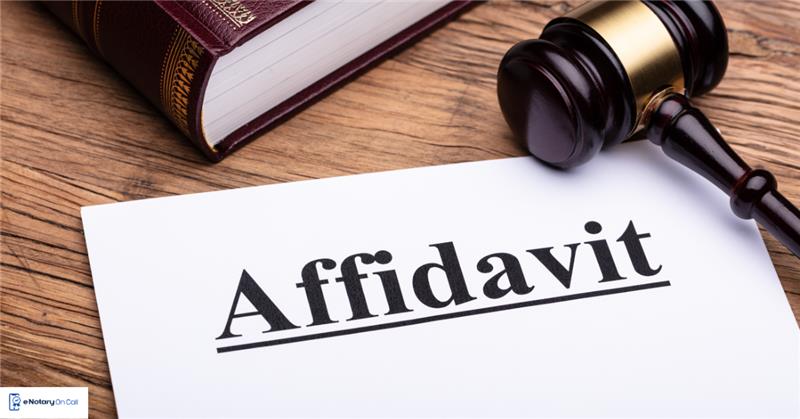
Most states provide official forms for vehicle inheritance situations. These forms can often be obtained from the state Department of Motor Vehicles website, local DMV offices, or legal document services. Using the correct form ensures that the affidavit contains the information required by the state.
Pro Tip: Using the correct form ensures that the affidavit contains the information required by the state.
Step 3: Complete the Affidavit
Heirs must complete the affidavit with accurate information once they obtain the form. The document typically requires –
- Vehicle details such as VIN, make, and model
- Names and contact information of heirs
- Statements confirming the deceased’s family relationships
- Signatures of the heirs involved in the claim
Additional supporting documents may be required, such as a death certificate in some cases.
Step 4: Notarize the Affidavit
The Affidavit of Heirship for a Motor Vehicle must usually be signed in the presence of a notary public after the document is completed. The notary verifies the signer’s identity and confirms that the affidavit was signed voluntarily. Notarization ensures –
- The identity of the heirs is verified
- The statements made in the affidavit are legally binding
- The document is accepted by the DMV
Remote notarization services, such as eNotary On Call, allow heirs to complete the notarization process online via a secure video session when in-person notarization is inconvenient.
Key Insight: A notarized affidavit carries legal weight because it confirms that the statements were made under oath.
Step 5: Submit the Affidavit to the DMV
After notarization, the affidavit must be submitted to the state’s motor vehicle agency along with the required documents. The submission package typically includes –
- The completed affidavit
- A certified copy of the death certificate
- The original vehicle title (if available)
- Title transfer application forms
- Applicable title transfer fees
The DMV will review the documents and process the vehicle title transfer.
Why It Matters: Submitting complete documentation helps ensure the vehicle title is transferred quickly and avoids unnecessary delays.
Common Challenges in Vehicle Heirship Cases
Heirs may encounter certain challenges, although the process is relatively straightforward. Common issues include missing vehicle titles, disagreements among heirs, incomplete family information, and outstanding liens on the vehicle. Resolving these issues may require additional legal steps or documentation.
Key Takeaways: An Affidavit of Heirship for a Motor Vehicle provides a simplified legal method for heirs to claim ownership of a vehicle after the original owner’s death. The affidavit identifies the rightful heirs and allows the DMV to transfer the vehicle title without formal probate proceedings in many cases. Completing the document accurately, properly notarizing it, and submitting it with supporting documentation are essential steps in ensuring the transfer process goes smoothly. If remote notarization is permitted, services such as eNotary On Call can help heirs complete the notarization process conveniently.

Conclusion
The Affidavit of Heirship for a Motor Vehicle provides a practical solution for many families who are handling vehicle ownership after the death of a loved one. This affidavit allows the DMV to process vehicle title changes without requiring lengthy probate proceedings by identifying the rightful heirs and documenting the transfer of ownership.
Heirs can ensure that the vehicle transfer process proceeds smoothly by completing the form accurately, obtaining proper notarization, and submitting all required documents. Understanding how the affidavit works helps families resolve vehicle ownership issues efficiently while complying with state regulations.
Frequently Asked Questions
1. What is the purpose of an Affidavit of Heirship for a Motor Vehicle?
The purpose of the affidavit is to identify the legal heirs of a deceased vehicle owner and provide documentation that allows the motor vehicle agency to transfer the vehicle title. It helps heirs establish their legal right to inherit the vehicle without going through full probate proceedings.
2. Do all states allow an Affidavit of Heirship for vehicle transfers?
Not all states allow the same procedures. Some states provide specific forms for inheriting a vehicle, while others may require probate or additional legal documentation. It is important to check with your state’s DMV to confirm the requirements.
3. Does the affidavit need to be notarized?
Yes, most states require the affidavit to be notarized. Notarization verifies the identity of the person signing the affidavit and confirms that the information provided is accurate and given voluntarily.
4. What documents are usually required with the affidavit?
The affidavit is usually submitted along with supporting documents such as a certified death certificate, the original vehicle title (if available), identification documents, and title transfer forms required by the DMV.
5. Can the affidavit be notarized online?
In states where remote notarization is permitted, the affidavit may be notarized online through secure platforms. Services like eNotary On Call allow heirs to connect with a licensed notary via video session and complete the notarization remotely.